
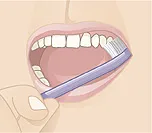
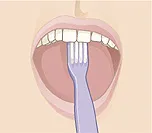
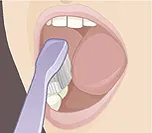
Brush after meals, using a soft brush and a fluoride toothpaste. Start at one place and work all the way around your mouth. Brush the front, back, and top of each tooth as shown below. Proper brushing should take about 2-3 minutes.
Four Easy Steps to Brushing Your Teeth
1.
2.

3.
4.
Why Brush?
Brushing every day will help keep your teeth and gums healthy. Having clean teeth also makes you look and feel better. Your breath is fresher. Your smile is brighter. And your teeth feel smooth.
Fighting Plaque
Many kinds of bacteria live in your mouth. These germs collect on your teeth and gums and quickly form a sticky film called plaque. Plaque is the major cause of tooth decay and gum disease. Since plaque is always forming, it needs to be removed every day. Brushing removes plaque from tooth surfaces and around the gumline. Flossing breaks up plaque between teeth and under gums.
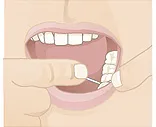
Floss at least once a day to remove plaque between the teeth and below the gums. Start at one place and work all the way around your mouth. Floss between each tooth as shown below.
Three Easy Steps to Flossing Your Teeth
1.

2.
3.
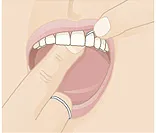
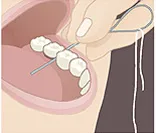
NOTE:
If you have a bridge or wear braces, use a floss threader to get the floss under the bridge or the wires.
Why Floss?
Flossing every day will help keep your teeth and gums healthy. Having clean teeth also makes you look and feel better. Your breath is fresher. Your smile is brighter. And your teeth feel smooth.
Fighting Plaque
Many kinds of bacteria live in your mouth. These germs collect on your teeth and gums and quickly form a sticky film called plaque. Plaque is the major cause of tooth decay and gum disease. Since plaque is always forming, it needs to be removed every day. Brushing removes plaque from tooth surfaces and around the gumline. Flossing breaks up plaque between teeth and under gums.
You have temporomandibular disorder (TMD). This term describes a group of problems related to the temporomandibular joint (TMJ) and nearby muscles. The TMJ is located where the upper and lower jaws meet. Treatment will get your jaw back to normal function. But your care doesn’t end there. Once you’ve had TMD, it’s important to avoid reinjury. Get in the habit of doing self-checks. This can make you aware of any symptoms that begin to recur, so you can take action right away.

Doing Self-Checks
Make it a habit to assess your body a few times each day. Try writing yourself a reminder. Or set an alarm on your watch or computer. When doing a self-check, ask yourself:
If you answer “yes” to any of the questions above, you need to take action. Adjusting your posture or taking a short break can help prevent or relieve TMD symptoms.
Listening to Your Body
Many people get used to ignoring pain. But pain is a signal that your body needs care. To maintain your TMJ health:
Managing Stress
Stress is a key factor in TMD. Stress can cause you to clench your muscles or grind your teeth. It can also affect your sleep, reducing your body’s ability to heal. Here are a few tips to manage stress:
Staying Active
Activity helps the body in many ways. You stay looser and more relaxed. It also helps keep muscles and tissues conditioned. That way you can heal faster and make reinjury less likely. Here are some tips to get you started:
When you look at your mouth in the mirror, you can see hard white teeth surrounded by soft gums. What you likely can’t see is a sticky coating of bacteria and other substances on your teeth and gums. This coating, called plaque, can harm your mouth if it’s not kept under control.
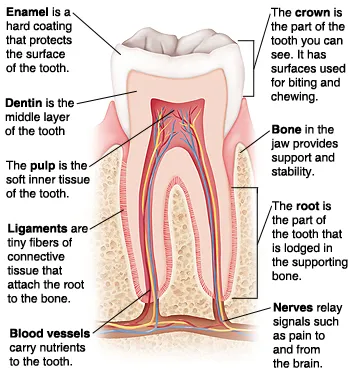
Healthy Teeth and Gums
To have good oral health, you must have healthy teeth and gums.
When Plaque and Tartar Form
Even in a healthy mouth, plaque forms. If not cleared away with daily brushing and flossing, this sticky film coats the teeth, gums, and tongue.
Are You At Risk?
Some factors make you more likely to have problems with your teeth and gums. These include:
Have you ever thought about how much you use your mouth? Without it, you couldn’t talk with your friends, enjoy your food, or even laugh at a joke. Do you care for your hardworking mouth as well as you should? If not, tooth decay and gum disease could be putting your smile in danger. Take control now to keep your mouth healthy.
Benefits of a Healthy Mouth

Taking care of your teeth and gums can help you feel confident about your smile.
Why bother caring for your teeth and gums? For one thing, what goes on in your mouth can affect the rest of your body. Poor oral health is linked to problems such as heart disease, stroke, and diabetes. But that’s not all. If you’re pregnant, caring for your teeth and gums can help ensure your baby is born on time and healthy. Good oral health can also:
Your Oral Health
At dental visits, you will be asked about signs of problems. Before your visit, think about the answers to these questions: